
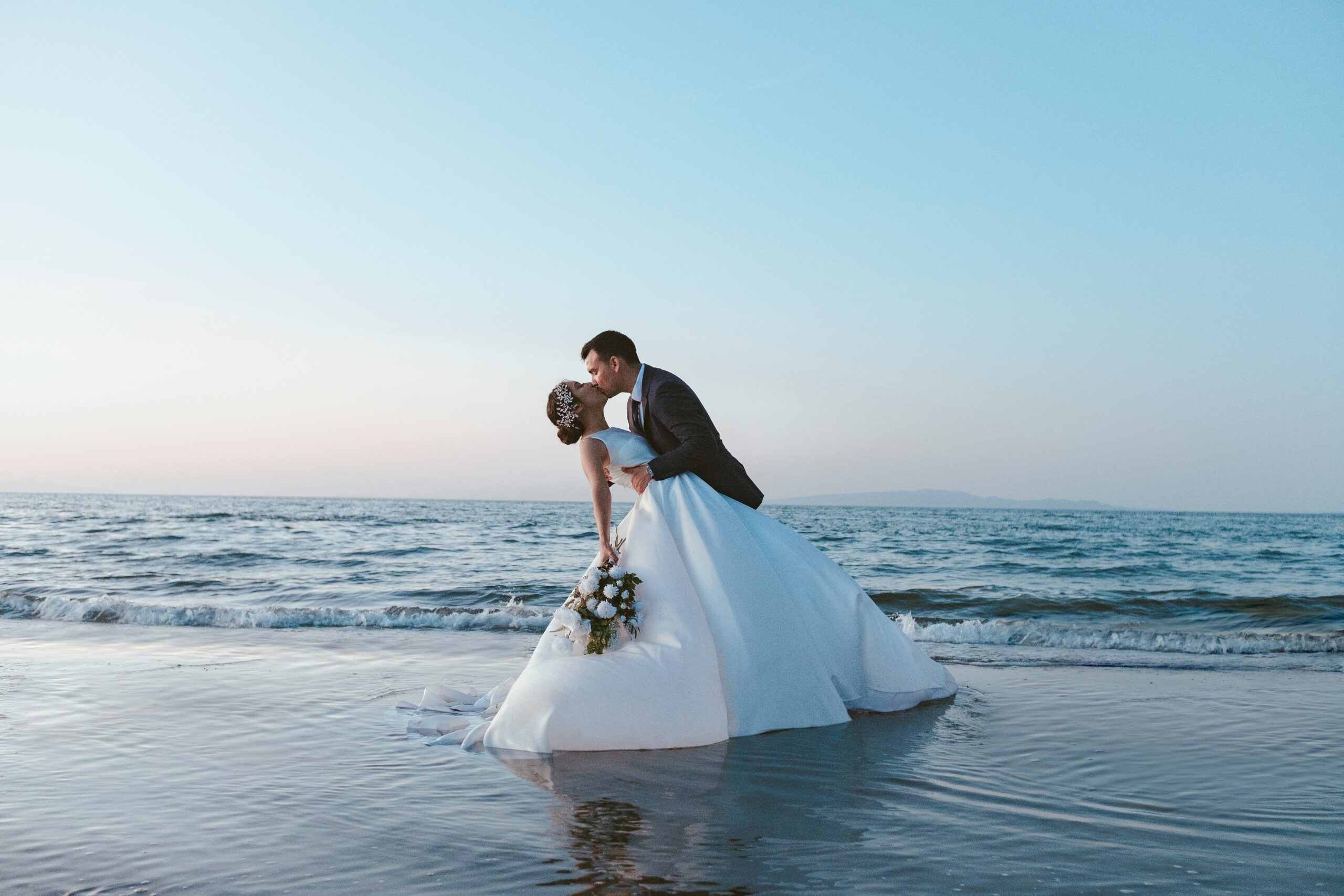
Imagine getting legally married in your favourite pub, in your parents’ garden, on a canal boat or somewhere that holds a special meaning for you as a couple, rather than choosing a location simply because it is licensed to hold weddings.
It might sound like a distant idea, but it could eventually become possible.
The Government has launched a consultation on what it describes as the biggest reform of weddings law in England and Wales for almost 200 years. If the proposals become law, couples could have much more freedom over where and how they legally marry. Nothing has changed yet, but the announcement has already started an important conversation across the wedding industry.
Why are the rules being reconsidered?
Weddings have changed considerably over the years. Couples increasingly want celebrations that feel personal and reflect their relationship, their values and the places that matter to them.
The law, however, has not always kept up.
Under the current system, the legal requirements can depend on the type of ceremony being held and whether the building itself has been approved for weddings. This means that some couples have to choose between the ceremony they genuinely want and the separate ceremony they need to make their marriage legally valid.
The proposed reform aims to make the process simpler, clearer and more inclusive, while maintaining the legal protections and significance of marriage.
So what could actually change?
The most significant proposal is a move away from licensing individual buildings and towards authorising the person conducting the wedding.
Under the system being considered, an authorised officiant would be responsible for ensuring that the ceremony meets the legal requirements and that the chosen setting is safe and appropriate.
This could allow legal weddings to take place in a much wider variety of locations, including private homes, gardens, beaches, forests, castles, canal boats and even certain cruise ships.
It would not mean that couples could automatically marry absolutely anywhere. The location would still need to be suitable, and the officiant would have a responsibility to make sure the ceremony was conducted legally and respectfully.
What else could the reform include?
The location proposals have naturally received the most attention, but they are only one part of a much wider reform.
The Government is also considering allowing independent officiants and representatives of non-religious belief organisations, including Humanists, to conduct legally recognised weddings.
Interfaith couples could have more freedom to combine different traditions and beliefs within one legal ceremony, rather than having to arrange separate celebrations.
The proposals also include clearer responsibilities for officiants and stronger safeguards intended to help identify forced, predatory and sham marriages.
What could this mean for couples getting married in Camden?
This is where the proposals become particularly interesting.
Camden is already one of London’s most varied and creative boroughs, with historic buildings, independent pubs, hidden courtyards, restaurants, cultural spaces and venues overlooking Regent’s Canal.
Imagine being able to hold your legal ceremony in the pub where you had your first date, in a private garden filled with family memories or in an independent Camden venue that perfectly reflects your relationship.
At the moment, some of these places may be able to host a celebration but not the legal ceremony itself. The proposed reform could eventually give couples greater flexibility to choose a place because it means something to them, rather than simply because it appears on a list of approved premises.
Does this mean traditional venues become less important?
Not at all.
Having planned my own wedding, I know that choosing a venue is about far more than finding somewhere that can legally host a ceremony.
A great wedding venue provides experience, coordination, food, facilities, accessibility and a team that understands how to make the day run smoothly. Those things would remain just as important.
If anything, the reform could give venues an even greater opportunity to stand out because of the experience they offer, rather than simply because they hold a licence.
Could it make weddings more affordable?
Potentially, although a non-traditional location would not automatically make a wedding less expensive.
Holding a wedding in a private garden or another unusual setting might reduce the initial venue cost, but it could also mean arranging everything that an established venue would normally provide. This may include furniture, catering, toilets, electricity, staffing, insurance, accessibility and a proper plan in case of bad weather.
Once all of those elements are taken into account, a traditional wedding venue may still be the simpler and more cost-effective option.
More freedom would give couples additional choices, but it would not necessarily mean less planning.
When could the rules change?
For now, nothing changes.
The consultation is open until 24 September 2026. The responses will then help shape future legislation, which would still need to pass through Parliament before any new system could come into force.
There is currently no confirmed date for the law to change. Anyone planning a wedding now should continue to follow the existing legal requirements and check the arrangements carefully with their registrar, venue or officiant.
A welcome move towards more personal weddings
The most exciting part of these proposals is not the possibility of choosing the most unusual location. It is the chance for couples to marry somewhere that genuinely tells part of their story.
That could be a historic ceremony room, a beautiful Camden venue, a family garden or a favourite local pub. There is no single type of location that makes a wedding meaningful.
After organising my own wedding, I realised that most couples are not necessarily looking for the biggest or most extravagant celebration. They simply want a wedding that feels like them.
If these proposals eventually become law, they will not change what makes a marriage special. They will simply give couples more freedom to decide where their story should begin.
Save this page for more wedding news, honest advice and inspiration from across Camden.